Sellio Blog · 6 min read
Selling on credit without losing money
A working system for shop credit in Uganda — who gets it, how much, how to record every sale and payment, and how to collect without losing the customer.
Published · By Sellio
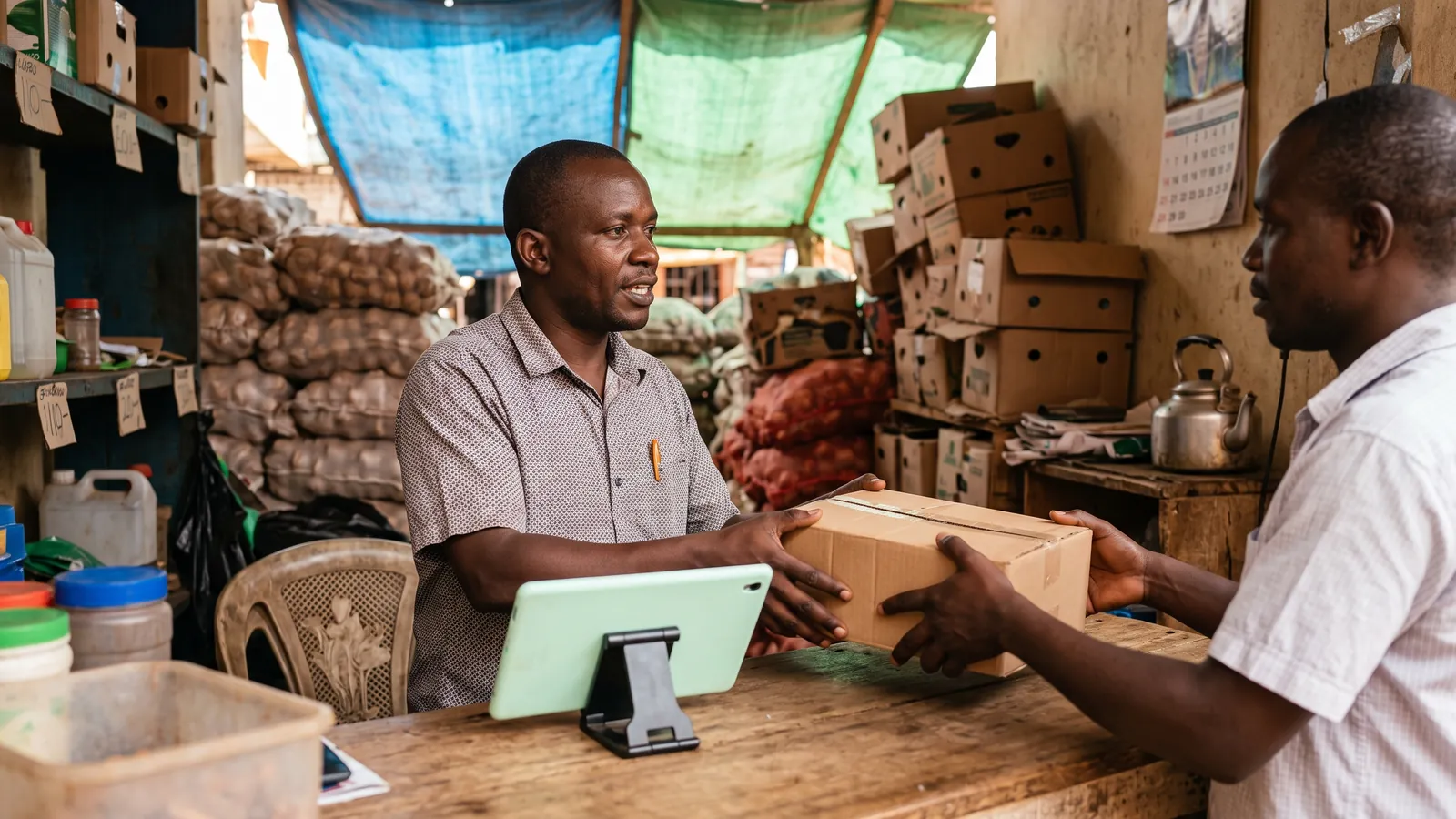
Selling on credit works when three things are written down at the moment they happen: what was taken, what was paid, and who owes what as a result. The shops that lose money on credit are not the ones that give it; they are the ones that keep the record in someone's head, in a book that goes missing, or as a balance that gets "adjusted". This post is a system for giving credit that keeps the customer, keeps the stock count honest, and keeps the money coming back.
Why credit is normal, and why it hurts
In most Ugandan trading centres, credit is how regular customers shop. The bar takes a crate on Friday and pays on Monday. The restaurant takes flour weekly and settles at month end. The neighbour takes sugar today and pays when the money comes. Refusing all credit costs you those customers. Giving it without a system costs you the money.
The damage is rarely one big default. It is a hundred small ones: the balance that was "about forty" and became thirty, the payment taken by a cashier and not written, the sale that was never recorded because the customer was trusted. Each is a leak, and leaks do not show on any report because nothing was recorded to report.
Rule 1: Decide who gets credit before they ask
Write a short list of who is allowed credit, and keep it to customers with a history. A new face asking for credit is asking for a gift. For each name, set a limit: a week's worth of their usual buying is a sensible start. The limit is not a target. It is the point at which the answer becomes "settle first".
Put the list where the cashier can see it. The cashier should never have to decide at the counter, with the customer watching, whether this person is allowed.
Rule 2: Record the sale like any other sale
A credit sale is a sale. The goods leave, the stock goes down, the receipt prints, and the sale is in the day's record with the cashier's name on it. The only difference is that the payment line reads "on account" instead of cash.
This matters for two reasons. The stock count stays true, because the goods really did leave. And the customer gets a receipt showing exactly what they took, which is the paper that ends the argument three weeks later.
Do not record credit sales as cash and "remember" they were not paid. That inflates the takings, and the drawer will not balance at closing, which is covered in How to count the cash drawer at closing.
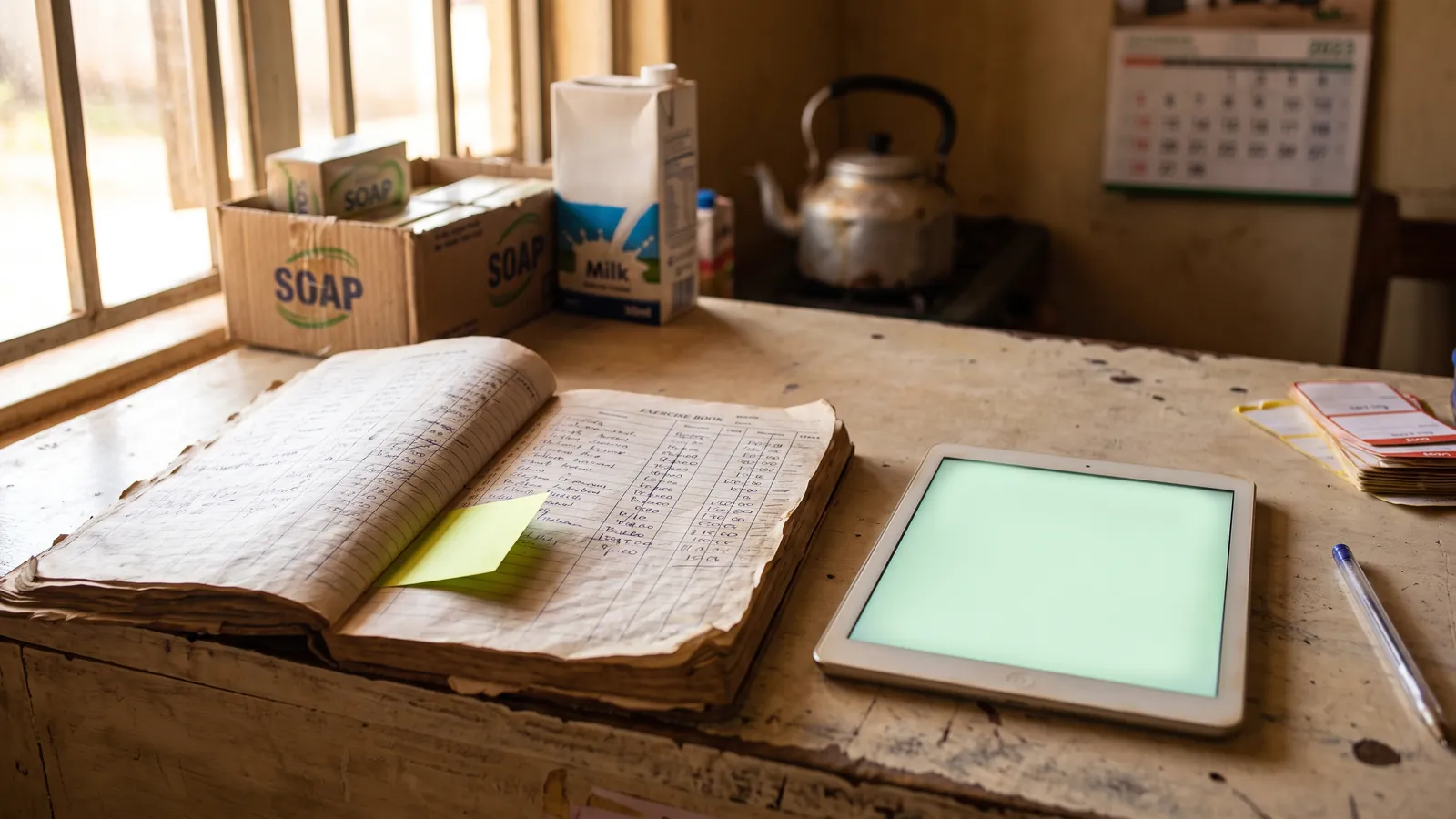
Rule 3: Record every payment against the name, at the counter
When the customer pays, in full or in part, the payment is recorded against their name the moment the money is taken, by whoever takes it. Not at the end of the day. Not by the owner from memory. A part payment is entered as a part payment, and the remaining balance is worked out by the system from the records, not typed in.
This is the rule most shops break. A cashier takes twenty thousand from a regular, puts it in the drawer, and tells the owner in the evening. Or does not. A balance nobody can reconstruct from receipts and payment records is a balance you will eventually write off.
Rule 4: The balance is calculated, never edited
A customer's balance should always equal the total of what they took minus the total of what they paid. Nothing else. If the balance can be typed over, it will be, and the moment it is, every earlier record loses its meaning.
When a customer disputes a figure, you show the list: these sales on these dates, these payments on these dates, this is the difference. Most disputes end there, because the list is right and the memory is not.
Rule 5: Agree the date, and remind before it
Credit without a date is a donation with extra steps. When the goods go, say the date: "Monday", "the fifth", "month end". Write it on the receipt. Send a reminder a day before. A customer reminded before the date pays on it; a customer chased after the date pays late and feels harassed.
Rule 6: When the date passes, stop the credit, not the relationship
The customer who is late does not lose the shop. They lose further credit until they settle. Keep selling to them for cash. Keep greeting them. Show them the statement when they ask what they owe. The relationship survives; the exposure stops growing. A shop that keeps extending credit to someone already behind is choosing to lose more.
What to look at each month
| Figure | What it tells you |
|---|---|
| Total owed to the shop | Your working capital that is out on loan. If it is growing faster than sales, the rules are slipping. |
| Owed for more than 30 days | The debts that are going bad. Each name here needs a conversation. |
| Largest single balance | Your biggest risk. Is it within the limit you set? |
| Credit sales as a share of all sales | If a quarter of your sales are on credit, a quarter of your stock is being financed by you. |
Deposits work the same way in reverse
A customer who pays ahead for an order, or leaves a deposit on a large item, is credit running the other way. The same rules apply: record the deposit against the name when it is received, record the goods against it when they go, and let the balance be calculated. A deposit taken into the drawer and remembered is another leak.
How Sellio handles this
Sellio records a credit sale as an open sale: the goods leave and the stock comes down at that moment, the receipt prints, and the money is not counted as takings until it is settled. Each customer has a balance that is worked out from their sales and payments, never typed in. Payments can be taken in parts, at any till, by any cashier with their own PIN, and each is on the record with who took it. A customer's page shows what is still open and every payment made against it. Open sales stay visible until they are settled, and a mistaken one is cancelled through the same manager-PIN void as any other sale, so nothing quietly disappears. Credit needs the connection, because a balance must be summed in one place; cash sales carry on offline as usual. To try the system with a few regular customers, start a free trial. If stock is where your records first went wrong, start with Stock management for a small shop.
Frequently asked questions
Should a small shop sell on credit at all?
Only to customers you would lend cash to, for amounts you could lose. Credit keeps good customers and moves stock, but every credit sale is a loan from your working capital. Decide the rules before the first one, not during it.
How do I keep track of customer credit?
Record each credit sale and each payment against the customer's name at the moment it happens, in one place. The balance should be worked out from those records, never written down and adjusted by hand.
What is a reasonable credit limit for a customer?
Start with about a week of what they normally buy, and only for customers with a history of paying cash. Raise it slowly for those who clear on time, and never raise it for someone who is behind.
How do I collect a debt without losing the customer?
Agree the date when the credit is given, remind before it, and stop further credit, not the relationship, when it passes. A printed statement of exactly what was taken and paid ends most arguments.
Does credit affect my stock and my takings?
Stock goes down when the goods leave, so the count stays correct. The money is not takings until it is paid, so the day's cash does not include it. A good system keeps those two facts separate.
Related
-
· 6 min read
Stock management for a small shop — a system that gets kept
A stock control routine a small shop will keep — opening counts, one ledger, weekly spot checks, low-stock levels, expiry dates, and fixing a wrong count.
Read → -
· 6 min read
How to count the cash drawer at closing
A closing routine for a shop's cash drawer — the float, expected cash, the count, the variance, and what to do when it does not balance. With a checklist.
Read → -
· 7 min read
How to choose a POS system for a shop in Uganda
A plain guide to choosing a point of sale for a Ugandan shop — what to check on offline selling, printers, stock, staff, pricing and support before you pay.
Read →