Sellio Blog · 6 min read
How to count the cash drawer at closing
A closing routine for a shop's cash drawer — the float, expected cash, the count, the variance, and what to do when it does not balance. With a checklist.
Published · By Sellio
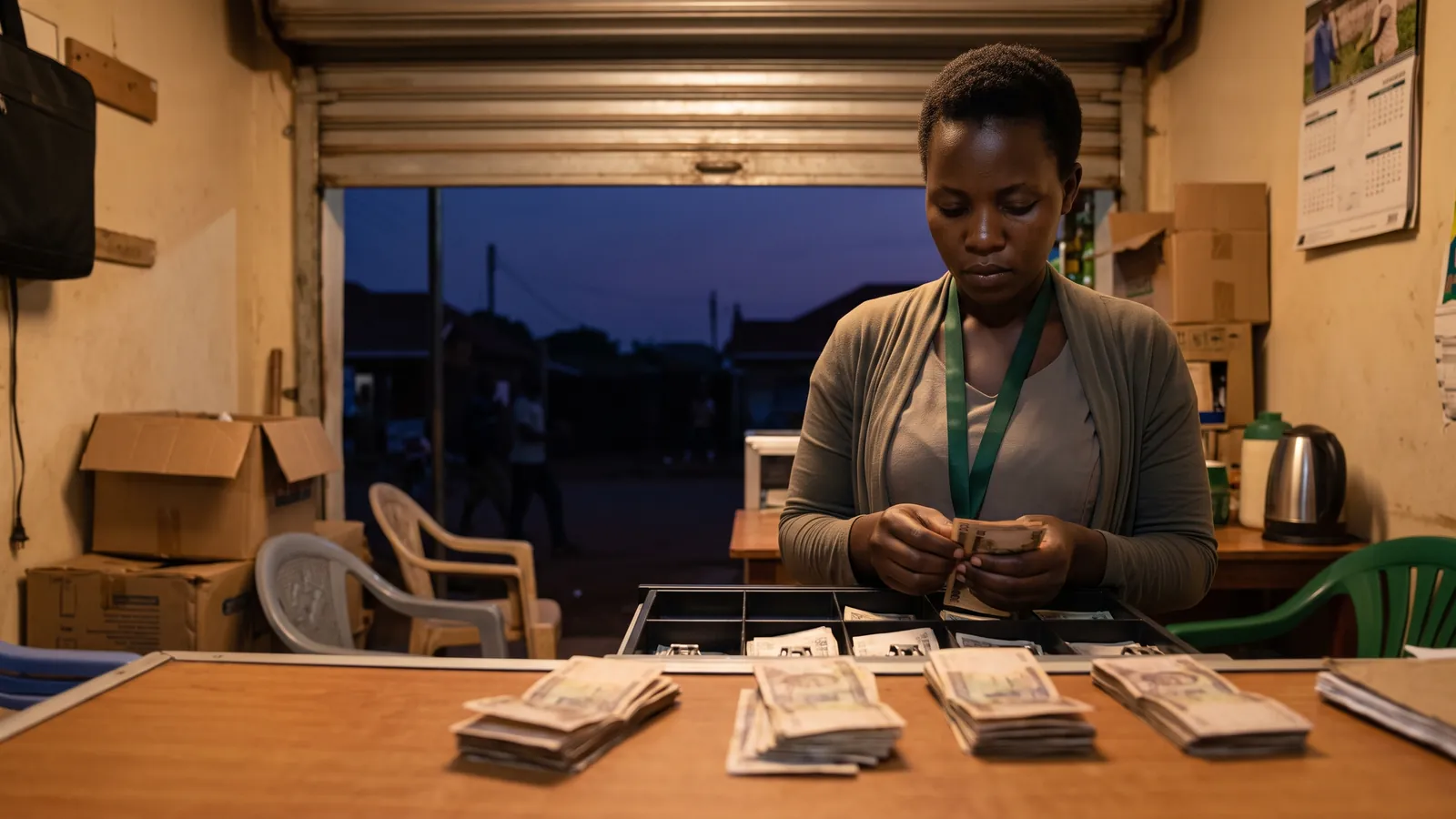
Counting the cash drawer at closing is a comparison between two numbers: what should be in the drawer and what is in the drawer. The first comes from the record — the float you started with, plus cash sales, minus cash refunds and cash paid out. The second comes from counting. The difference is the variance, and the whole point of the routine is to make that difference small, known and attributed to a shift. This post is the routine, a checklist for the cashier, and what to do when it does not balance.
Why the count matters even when nothing is missing
A drawer that is never counted is a drawer that can be short by a little every day without anyone knowing. Not through theft, necessarily: through change given wrongly, a sale rung as cash that was paid by mobile money, a bar of soap bought for the shop with drawer cash and forgotten. The count turns each of those into a number on a specific day. Without it, they turn into a vague sense that the shop makes less than it should.
It also protects the cashier. A person who counts their drawer in front of the record at the end of every shift has a written defence against every "the money was short on Tuesday".
The four numbers
- Opening float. The cash put in at the start of the shift, counted and recorded before the first sale.
- Cash in. Cash sales for the shift, from the record, not from memory. Only cash: mobile money and card are not in the drawer.
- Cash out. Cash refunds, and any expense paid from the drawer, each recorded with a reason at the time it was paid.
- Expected cash. Float plus cash in, minus cash out. This is what the drawer should hold.
Then the fifth number, the only one that comes from counting: counted cash. Expected minus counted is the variance.
The closing routine
Before counting. Finish the last sale. Do not start counting with a customer at the counter; park them or finish them. Open the day's cash record so the expected figure is in front of you.
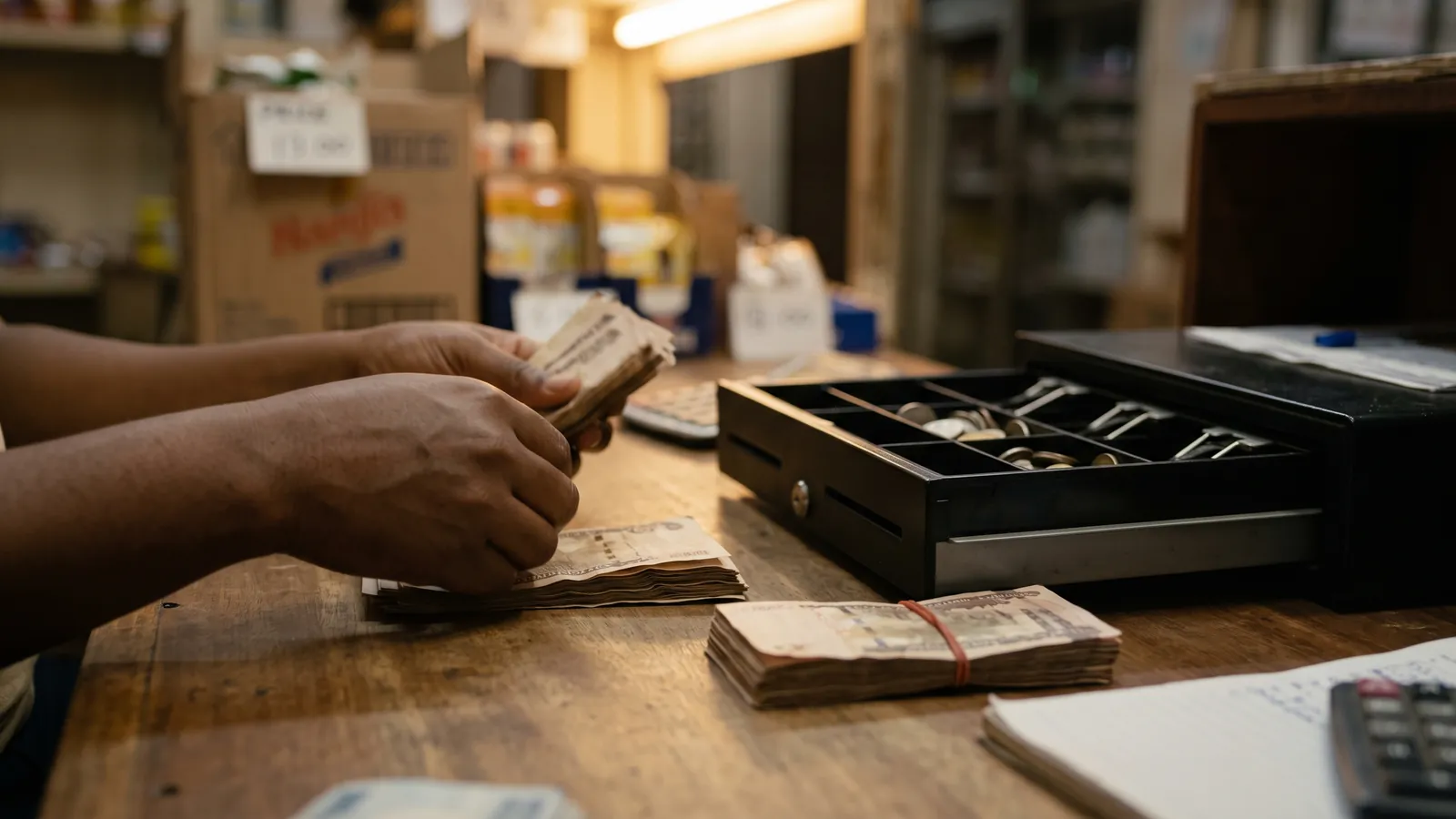
Count by denomination. Notes first, largest to smallest, in stacks of ten. Then coins. Write each denomination's count as you go, so a recount later does not start from nothing. Do not count "the total"; count the stacks and add them.
Compare. Enter the counted cash. The variance shows. Zero is the aim. A small figure on a busy day is normal. Anything else, see below.
Set aside tomorrow's float. Take the float out of the counted cash, in useful denominations, and put the rest aside as the day's banking or safe drop.
Close the drawer session. Record the count and the variance against the cashier and the shift. This is the line in the record that tomorrow's opening float will be checked against.
A checklist for the cashier
- Last sale finished, nobody waiting.
- Expected cash figure open before I start.
- Notes counted in tens by denomination, written down.
- Coins counted, written down.
- Counted total entered; variance seen.
- Float for tomorrow set aside.
- Drawer closed in the system with my name on it.
- Banking bag sealed and handed over, amount written on it.
When the drawer is short
Do these in order, and stop when you find it.
- Recount. Most shorts are counting errors, especially in the coins.
- Check the payment methods. A mobile money sale rung up as cash makes the drawer short by exactly that amount. Look for a sale whose value matches the variance.
- Check cash paid out. A supplier paid from the drawer, a boda paid to fetch stock, a broken item refunded. Was each recorded? An unrecorded expense looks identical to a short.
- Check the refunds and voids. A refund given in cash and not recorded is a short. A void recorded after the cash was taken is a short.
- Check the last few receipts. Change given wrongly on a large note is a common one.
- If it is still short, record it as short. Write the variance with the cashier's name and the date. A pattern over a month is information; a single day is usually a mistake.
When the drawer is over
An over drawer is not good news either. It usually means a sale was not rung up, a refund was recorded but not paid, or change was short-given to a customer. Treat it the same way: look for it, then record it.
Expenses from the drawer
Small shops pay small things from the till all day: airtime for the shop phone, a boda, a bag of ice. Each one must be recorded when it is paid, with a reason and the cashier who paid it, or the drawer will be short by the sum of them at closing and nobody will remember why. A POS that lets the cashier record an expense from the till screen in a few taps removes the excuse. A box of paper slips does the same job if it is emptied into the record every evening.
Offline hours and the count
If the internet was off for part of the day, the cash sales made during those hours still happened and the cash is still in the drawer. The expected figure must include them. A system that queues offline sales and syncs them with their original times will show a correct expected cash figure once it has reconnected; count after the sync, not before. What good offline behaviour looks like is in Does a POS work without internet?.
Credit and the drawer
A credit sale puts no cash in the drawer, so it must not be in the expected cash. A credit payment received in cash puts cash in the drawer, so it must be. Recording both against the customer's name at the counter keeps the count and the customer's balance right at the same time; the system for that is in Selling on credit without losing money.
How Sellio handles this
Sellio opens a drawer session with a counted float, records every cash sale, cash refund and till expense against it through the day, and at closing shows the expected cash beside the counted cash and the variance between them. Each session is tied to the cashier who opened it, and the drawer report lists every session with its variance, so a pattern is visible across weeks. Expenses paid from the till are recorded from the till screen with a reason, and cannot be edited afterwards, so the closing figure is the figure that was true at closing. Offline cash sales sync with their original times and land in the right session. Credit sales stay out of expected cash until they are paid. To run the routine on your own counter, start a free trial; the stock-side twin of this routine is in Stock management for a small shop.
Frequently asked questions
What is a float in a cash drawer?
The float is the small amount of cash put in the drawer at opening so the cashier can give change before any sales have been made. It is counted at the start, recorded, and counted back at the end.
How do you calculate expected cash in the drawer?
Opening float, plus cash sales for the shift, minus cash refunds, minus any cash paid out of the drawer for expenses. That figure is what should be in the drawer before it is counted.
What is an acceptable variance in a cash drawer?
Ideally none. In practice a small rounding difference happens. Anything beyond a few hundred shillings on a normal day deserves a look, and the same cashier being short repeatedly deserves a conversation.
Should each cashier have their own drawer?
Ideally each cashier opens and closes their own drawer session, even on a shared physical drawer, so a variance is tied to one person and one shift rather than to everyone who worked that day.
What do I do if the drawer is short?
Recount, check for sales rung up as cash that were paid another way, check for an unrecorded expense, and check the last few receipts against the cash. Record the variance either way; a written short is better than a hidden one.
Related
-
· 6 min read
Does a POS work without internet? Offline POS explained
What an offline POS can and cannot do when the data drops, how sales sync afterwards, and what to check before trusting one in a Ugandan shop.
Read → -
· 6 min read
Selling on credit without losing money
A working system for shop credit in Uganda — who gets it, how much, how to record every sale and payment, and how to collect without losing the customer.
Read → -
· 6 min read
Stock management for a small shop — a system that gets kept
A stock control routine a small shop will keep — opening counts, one ledger, weekly spot checks, low-stock levels, expiry dates, and fixing a wrong count.
Read →